November 17, 2026
Renovation projects require more than a good plan and a little elbow grease. Having the right equipment can make the difference between a smooth, efficient project and one filled with unnecessary delays, costly mistakes, and avoidable safety hazards. Whether updating a kitchen, remodeling a bathroom, replacing flooring, or tackling larger structural improvements, choosing appropriate hardware and tools helps homeowners and contractors work more confidently. Modern equipment also offers capabilities that make traditionally difficult tasks easier, improving accuracy while reducing physical strain.
What Are the Essential Hardware and Tools for Renovation Projects?
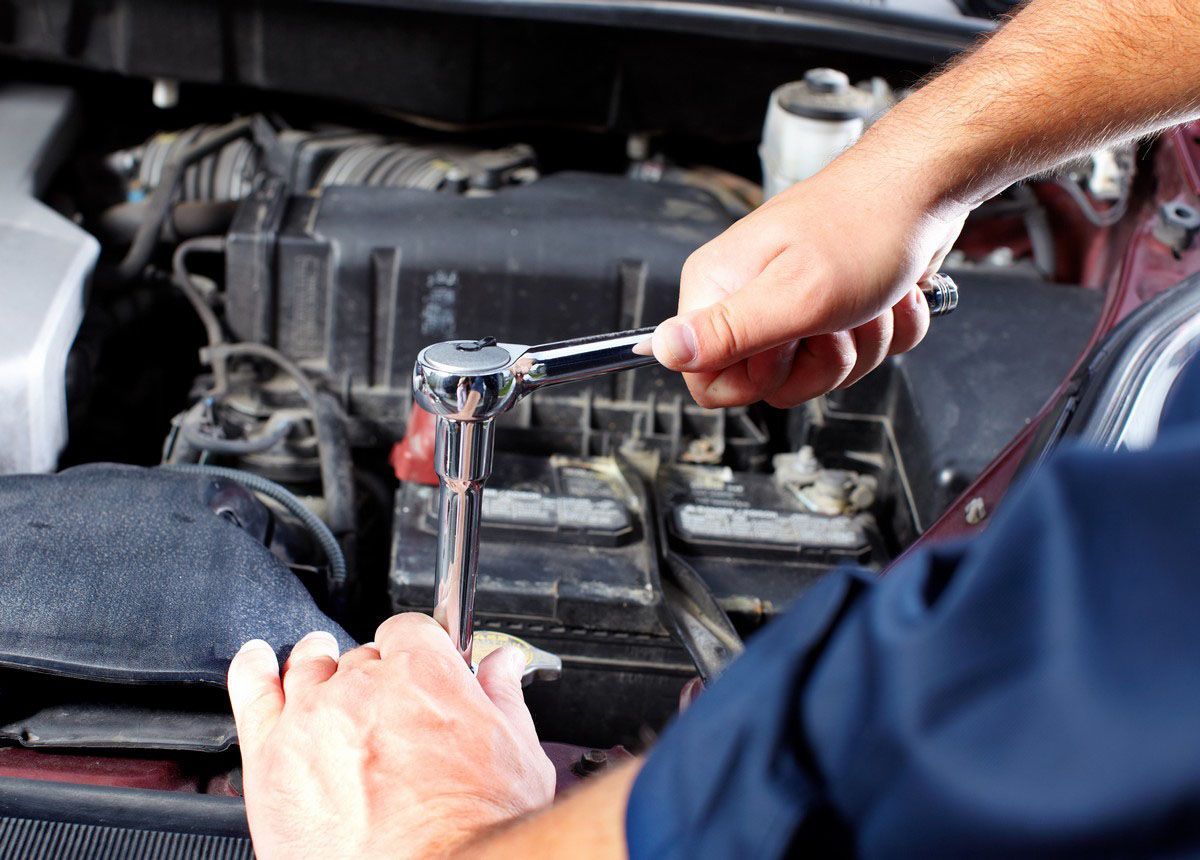
Every renovation project requires a collection of basic equipment, although the specific items depend on the property's condition and the work being performed. Hand tools such as hammers, screwdrivers, adjustable wrenches, pliers, and utility knives provide the foundation for countless repairs and installations. These relatively inexpensive essentials are useful for everything from removing existing fixtures to assembling cabinets and securing replacement hardware. A dependable tape measure, level, and combination square are equally important because accurate measurements help prevent installation problems and material waste.
Power tools can significantly improve efficiency when projects involve repetitive or physically demanding tasks. Cordless drills and impact drivers are particularly valuable because they simplify fastening, drilling, and assembly work. Circular saws, reciprocating saws, and oscillating multi-tools offer additional versatility for cutting materials, removing old installations, and making adjustments in confined spaces. Investing in quality hardware and tools means having reliable equipment available when unexpected challenges arise.
Specialized equipment also deserves consideration. Tile cutters, flooring nailers, paint sprayers, and demolition hammers can make particular renovation tasks substantially easier. Meanwhile, essential safety equipment should never be overlooked. Protective eyewear, hearing protection, work gloves, respirators, and sturdy footwear help reduce exposure to common workplace hazards.
Access to dependable supplies is another consideration. According to U.S. Census Bureau data on retail trends, independent hardware stores served more than 50 million DIY customers in 2024, demonstrating continued demand for convenient local access to renovation supplies amid supply chain challenges. Local retailers can also provide practical recommendations when homeowners need assistance identifying compatible hardware and tools.
How Do You Choose the Right Tools for Specific Renovation Tasks?
Choosing equipment begins with understanding the work involved. A homeowner installing new kitchen cabinets will have different requirements from someone replacing a roof or refinishing hardwood floors. Before purchasing anything, create a project checklist that identifies the necessary materials, installation methods, and equipment. This approach helps prevent unnecessary purchases while ensuring important items are not overlooked.
Material compatibility is particularly important. Cutting hardwood requires different equipment from trimming drywall or working with ceramic tile. Using an inappropriate blade or attachment can produce poor results, damage materials, and create dangerous working conditions. Manufacturers typically provide recommendations concerning compatible materials, operating speeds, and accessories. Reviewing these specifications before starting work helps ensure equipment performs as intended.
Project size should also influence purchasing decisions. A cordless drill may be sufficient for assembling a few pieces of furniture, but extensive framing or deck construction could justify investing in a more powerful model. Similarly, occasional DIY projects rarely require the same equipment as professional renovation work performed every day.
What Role Does Technology Play in Modern Renovation Tools?
Technological advancements have transformed renovation equipment, introducing features that improve accuracy, convenience, and workplace safety. One particularly noticeable development is the widespread adoption of brushless motors in cordless power tools. Unlike traditional brushed motors, brushless designs reduce friction and heat while improving energy efficiency. This can translate into longer battery runtime, increased durability, and better performance under demanding conditions.
Battery technology has also improved considerably. Modern lithium-ion batteries provide greater energy density and faster charging than older rechargeable systems. For contractors working without convenient access to electrical outlets, cordless hardware and tools offer considerable flexibility. They also eliminate some tripping hazards associated with extension cords, particularly in crowded renovation environments.
Laser measuring devices and digital levels represent another important development. These products help users establish accurate measurements, check alignment, and maintain consistent reference points across larger spaces. Compared with traditional measuring methods, digital equipment can simplify certain complicated installations and reduce the likelihood of costly measurement errors.
Some manufacturers have introduced connected equipment featuring Bluetooth connectivity, electronic monitoring, and customizable operating settings. These capabilities allow users to track equipment, monitor performance, and adjust certain functions through compatible applications. Advanced saws and drills may also include electronic braking, overload protection, and mechanisms designed to reduce the consequences of sudden binding.
How Can You Safely Operate Advanced Hardware and Tools?
Safety should remain a priority throughout every renovation project, regardless of the operator's experience. Before using unfamiliar equipment, read the manufacturer's instructions and understand its operating procedures. Important information often includes recommended materials, maintenance requirements, protective equipment, and warnings about specific hazards.
Personal protective equipment is essential. Safety glasses or goggles protect against flying debris, while hearing protection helps prevent damage from prolonged exposure to loud machinery. Respirators may be necessary when sanding, cutting, or removing materials that produce hazardous dust. Gloves can protect against sharp edges and rough surfaces, although they should not be worn near rotating machinery when there is a risk of entanglement.
Work areas should also remain organized. Keep electrical cords away from cutting paths, remove unnecessary debris, and provide sufficient lighting. Before cutting into walls, verify the locations of electrical wiring, plumbing, and other concealed infrastructure. A suitable stud finder or detection device can help identify potential obstacles before work begins.
Advanced hardware and tools often include safety mechanisms that require attention. Blade guards, trigger locks, electronic brakes, and overload protection should remain functional. Never remove protective components to make a task more convenient. Disconnect batteries or unplug equipment before changing blades, replacing attachments, or performing maintenance.
What Are the Cost-Benefit Considerations When Investing in New Tools?
Purchasing renovation equipment involves balancing immediate expenses against long-term value. While inexpensive products can be attractive, the lowest purchase price does not necessarily represent the best investment. Poorly constructed equipment may wear out quickly, deliver inconsistent results, or require frequent replacement. Higher-quality
hardware and tools can offer better durability, improved ergonomics, and more dependable performance over time.
Frequency of use is one of the most important purchasing considerations. Professionals who rely on equipment daily generally benefit from investing in durable products designed for demanding conditions. Homeowners completing occasional renovations may find that midrange equipment provides sufficient performance without unnecessary expense.
Renting is another practical option. Specialized equipment such as demolition hammers, concrete saws, and professional flooring machines can be expensive to purchase and maintain. Renting these products makes sense when they are needed for only a few days. It also eliminates long-term storage concerns and reduces the responsibility associated with maintaining rarely used equipment.
Maintenance costs should factor into purchasing decisions as well. Replacement batteries, blades, accessories, and repair services can add considerably to ownership expenses. Before buying, research warranty coverage, parts availability, and the manufacturer's reputation for customer support.
Successful renovations depend on preparation, sound decision-making, and equipment that matches the work being performed. From essential hand tools and reliable power equipment to advanced measuring devices and connected technology, the right selections can improve efficiency while reducing unnecessary risks. Understanding material requirements, evaluating product quality, and following appropriate safety procedures are equally important. If you're looking for new tools, reach out to the team at McFadden-Dale Hardware today!